
Why Rain Quietly Damages Patios
Water is patient. It seeps into tiny gaps, softens soils, and freezes in winter. Over time, regular rain and snowmelt push materials apart, wash out base layers, and invite algae and mold. If your patio looks mostly fine but does not feel quite right underfoot, you could be facing hidden moisture issues. The sooner you recognize subtle hints of trouble, the cheaper and simpler the repair. Use this guide to spot early clues of rain damage patio problems and to protect your space before small flaws grow into expensive failures.
Early Warning Signs You Might Miss
Hairline cracks and shifting slabs
Tiny cracks in concrete or tile often look harmless. After rain, run your finger along the line. If the crack feels raised or you see dark edges that stay wet longer than the surrounding surface, moisture is trapped inside. Watch for slabs that feel hollow when tapped with a rubber mallet or that rock slightly when you step on the edges. Both suggest water is eroding the base. These are classic early rain damage patio indicators.
Discoloration, stains, and white chalky residue
Rust tinges near metal furniture, dark splotches under planters, and tan drip lines below downspouts point to repeated wetting. A white powder called efflorescence shows up on concrete, brick, and stone when water pulls salts to the surface. Wipe the area dry and check again in a week. If the residue returns, there is a persistent moisture path that needs attention.
Soft or spongy boards on decks and composites
If part of your deck flexes more after a storm or the grain raises, moisture is getting past the finish. For composite boards, look for swelling at the ends, mushroom growth in seams, and slippery film that returns quickly after cleaning. While a composite deck is more resistant than wood, trapped water under boards and around fasteners can still lead to hidden rot in the substructure. This counts as rain damage patio trouble even if the surface looks tidy.
Sunken pavers and uneven joints
When rain washes sand out from paver joints, gaps open and invite more water in. You might see one or two pavers sit lower than the rest or feel a soft spot near the edge of a planter. Over time, the low area collects puddles after every shower. This creates a cycle where water lingers longer and weakens the base further.
Rust, loose fasteners, and staining near anchors
Metal post bases, railing screws, and bracket connections tell the truth about moisture. Rust streaks running down your slab or patio wall show repeated wetting. Loose bolts and wiggly railings point to decay in the material they grip. Tighten what you can, but if the looseness returns after the next storm, water is undermining the connection.
Musty smell, algae, and slick areas
A damp, earthy smell after a rain is a red flag. Green algae or black mildew on concrete or stone returns quickly if the area stays shaded and wet. A slick film that makes your patio risky to walk on means water is not draining or drying fast enough. That is both a safety hazard and a symptom of rain damage patio conditions.
A 10-Minute Rain Damage Patio Inspection Checklist
- Walk the entire patio right after a steady rain and again two days later. Note any areas that stay damp the second time.
- Check for puddles within 4 feet of the house. Standing water near the foundation is a priority fix.
- Press gently on suspect pavers or deck boards. If they move, bow, or feel spongy, mark the spots.
- Tap concrete with a rubber mallet. A hollow sound points to delamination or voids under the slab.
- Look closely at joints and edges. Crumbling mortar, missing sand, or wide gaps collect water and debris.
- Inspect the base of posts, steps, and railings. Rust or dark stains show repeated moisture exposure.
- Check downspouts and splash blocks. Water should exit at least 6 feet away from the patio and slope away from the house.
- Scan for white powder on masonry or tile. Recurring efflorescence means ongoing water migration through the material.
- Review planters and rugs. Lift them and look for dark rings or softened surfaces under them.
- Note slippery zones and moss growth. These areas need better sun exposure, airflow, or drainage.
What Different Patio Materials Tell You
Concrete patios
Fine cracking, flaking surface layers, or dark damp patches that linger identify early water problems. If you see scaling where the top layer peels off, moisture plus freeze cycles are at work. Keep an eye on control joints that have lost filler. Water enters there, then pushes the slab apart during winter. Pay attention to edges near lawn sprinklers, which often overwater the same strip every day. All of these are rain damage patio warning signs for concrete.
Paver patios
Pavers depend on a stable base and well filled joints. After rain, spongy areas, joint sand washed out, and a fine layer of gritty sand on the surface suggest erosion below. Ant hills around joints also hint at voids that collect water. If your edging has shifted or lifted, the border can no longer hold the field flat, which will worsen after each storm.
Natural stone
Slate, limestone, and sandstone can darken unevenly if water seeps under them. Look for cupping or edges that curl upward, a sign that the underside stays damp. White haze at the corners points to mineral migration. Check the grout or polymeric joints. Cracks here let water reach the setting bed and weaken it over time.
Wood decks and composite surfaces
Wood tells the story through raised grain, gray fuzz, and soft edges around fasteners. If water beads on the surface, your finish is working. If it soaks in quickly, re-seal soon. Composite boards resist rot, yet framing often does not. Look from below for dark staining on joists and beam tops, which reveals trapped water under the decking.
Tile over slab
Hollow sounding tiles, hairline grout cracks, or a powdery white line along grout joints mean moisture is pressing upward. Frost can pop tiles loose. Sealers help, but the slab needs drainage control so water does not travel up through it.
Common Causes Behind Rain Damage Patio Problems
- Flat or negative slope that directs water toward the house instead of away
- Short downspouts that dump water beside the patio
- Clogged gutters that overflow onto the same areas during storms
- Missing or failed joint sealants and control joint fillers
- Improper base prep for pavers or stone, including inadequate compaction
- Thin concrete slabs without proper reinforcement or expansion joints
- Overwatering from sprinklers that hit the patio rather than the grass
- Heavy planters and rugs that trap moisture and discolor surfaces
- Shaded spaces with little airflow that never dry after rain
Simple Fixes You Can Try Today
- Clean gutters and extend downspouts to pour water at least 6 feet away.
- Sweep debris from joints and edges so water can flow off the surface.
- Re-sand paver joints with polymeric sand and mist lightly to set it.
- Move planters onto feet or risers. Rotate their position so one spot does not stay damp.
- Lift outdoor rugs after rain to let surfaces dry fully.
- Apply a breathable, penetrating sealer to concrete, masonry, or natural stone.
- Add anti-slip cleaner or a light power wash to remove algae. Use a fan tip and low pressure.
- Shim rocking pavers with fresh bedding sand and compact lightly.
- Replace cracked grout or joint filler so water cannot enter easily.
- Trim shrubs and low branches that block sun and airflow.
When You Need a Pro and What It May Cost
If water is pooling near your foundation, if slabs are settling more than half an inch, or if railings and steps feel unsafe, call a professional. Costs vary by region and scope, but here are rough ideas to plan:
- Gutter and downspout upgrades and extensions: modest cost for strong payoff
- Re-leveling a small paver area: moderate cost depending on base repair
- Concrete crack repair and joint refilling: modest to moderate cost
- Slab lifting with foam injection: moderate cost for targeted areas
- Drainage additions like a French drain or channel drain: moderate to higher cost
- Protective patio cover installation for rain control: ranges with size and style
A reliable contractor will inspect slope, drainage, materials, and structure, then propose the simplest fix that solves the root cause. Ask for photos and a clear description of the plan.
Prevent Rain Damage With Better Drainage and Coverage
Slope and drainage solutions
Your patio should tilt gently away from the house. Most patios perform well with about a quarter inch of drop per foot. Where water collects, a small channel drain tied to a pop-up emitter can move runoff to a safe location in the yard. In clay soils, a French drain or soil amendment helps water move through rather than sit under pavers or slabs.
Protective cover options that work year round
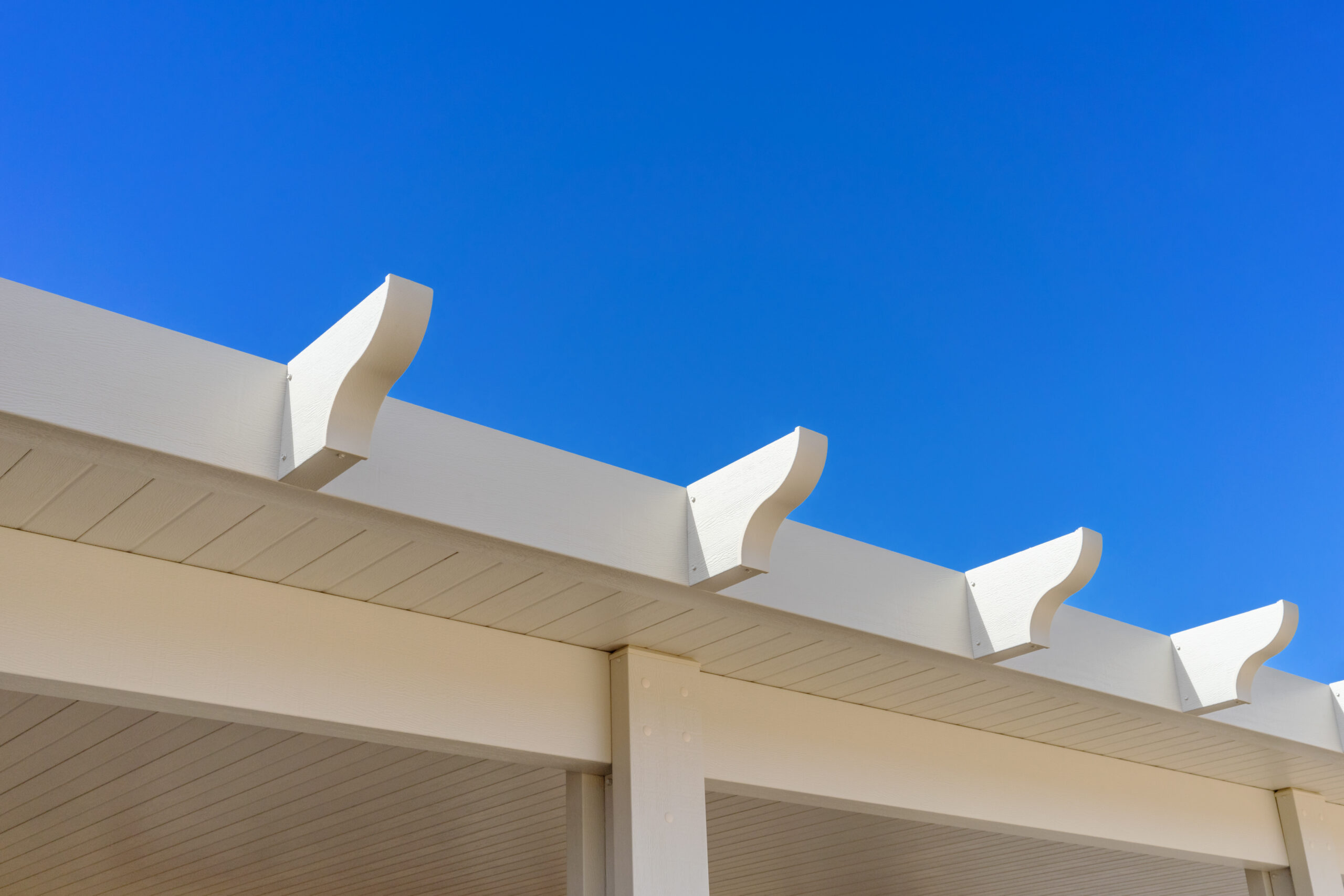
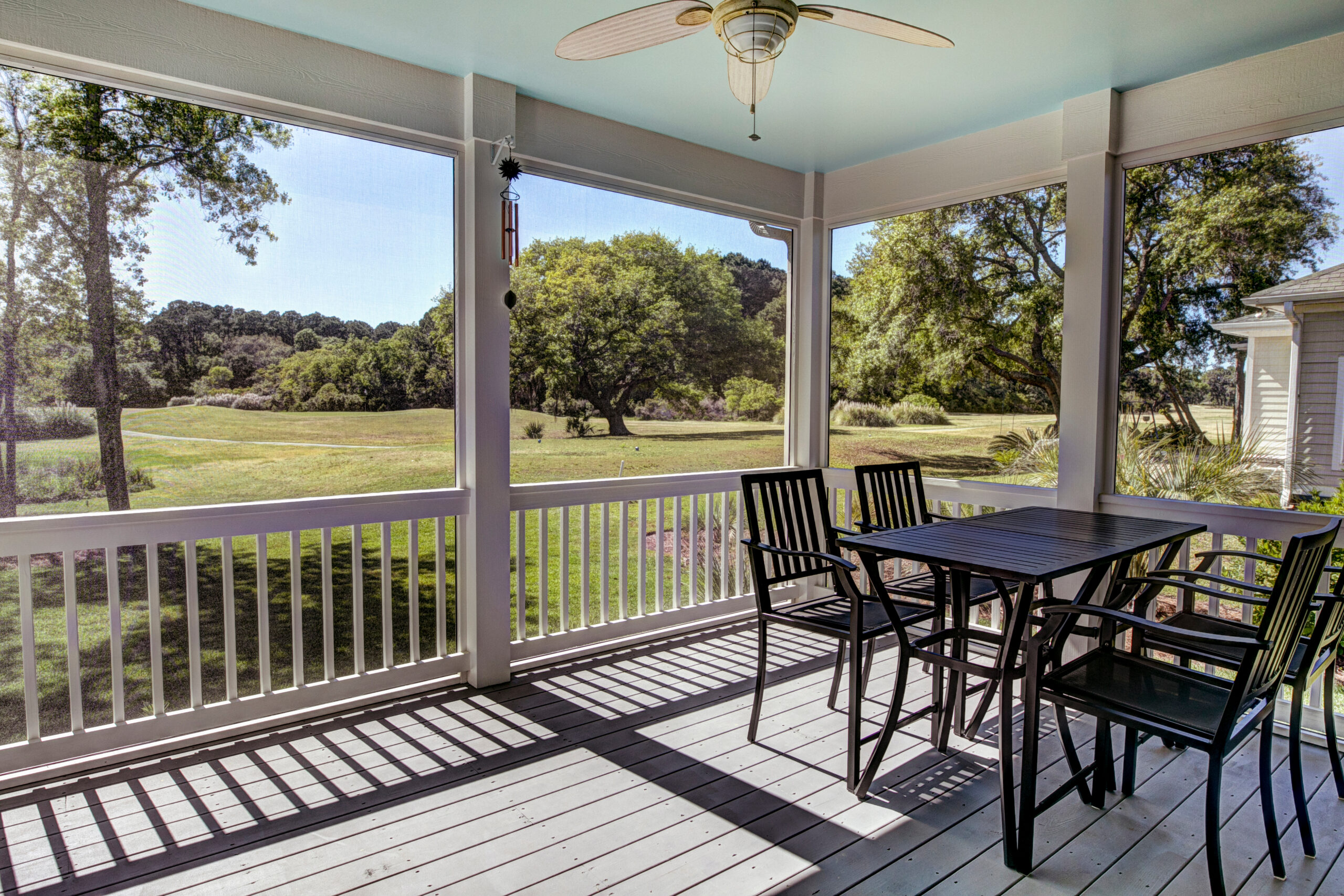
Reducing direct rainfall on your patio can break the rain damage patio cycle. Patio Cover Designs by S builds custom aluminum covers that block rain and snow, and they look sharp for the long haul. Choose Solid or Flat Pan for full weather protection, Insulated covers for better temperature control with optional integrated electrical for ceiling fans and lighting, Open Lattice for 40 to 90 percent shade, or a Combination system that blends open and solid sections for perfect balance. A well placed cover keeps surfaces dry faster, minimizes freeze damage, and makes your outdoor space usable on more days of the year.
Sealers and maintenance schedule
Seal concrete, pavers, and stone every 1 to 3 years, depending on product and exposure. Use penetrating sealers that allow vapor to escape. For wood decks, clean and re-seal annually or as soon as water stops beading. For composite, wash with the manufacturer’s recommended cleaner in spring and fall. Small, regular care beats costly repairs later.
Why Choose Patio Cover Designs by S
Patio Cover Designs by S is a family-owned outdoor living contractor with more than 20 years of hands-on experience and free design consultations. Founded in 2016 by Crystal and Jason, the team brings manufacturing and project management know-how to every project. They specialize in custom aluminum patio covers, sunrooms, carports, and decking, and they serve homeowners in Wisconsin and New Mexico with friendly weekday service.
- Premium aluminum that will not crack, warp, or split and never needs painting
- Transferable Full Lifetime Warranty for long-term peace of mind
- Engineered to meet or exceed most building codes
- Solid, Insulated with optional integrated electrical, Open Lattice for 40 to 90 percent shade, and Combination systems
- 3- and 4-season rooms to extend your outdoor lifestyle
- Custom projects like privacy panels and walls, awnings, cantilever covers, BBQ and pool equipment covers
- Decking in wood or low-maintenance composite, with custom railings and even aluminum framing for a maintenance-free build
- Straightforward estimates and family-style service during weekday hours
If rain damage patio issues are creeping up at your home, adding a well designed cover from Patio Cover Designs by S can reduce water exposure, cut maintenance, and extend the lifespan of your surfaces and furnishings.
Real-World Scenarios and Fixes
Scenario 1: After heavy rains, a concrete patio shows small puddles near the back door. A homeowner notices a white chalky ring and slick spots. The fix is to extend downspouts, add a shallow channel drain along the threshold, and reseal the slab with a breathable product. The area dries faster and the residue stops returning.
Scenario 2: A paver patio has a low corner that sinks a bit each spring. The downspout discharges near that corner. The solution is to reroute the downspout with a 6-foot extension, lift the affected pavers, add and compact new base material, re-lay the pavers, and sweep in polymeric sand. The surface stays level and firm after storms.
Scenario 3: A wood deck feels bouncy by the stairs and develops dark streaks around post bases. After inspection, the homeowner finds trapped water at the footing brackets. The repair includes improving grade around footings, adding gravel for drainage, tightening hardware, and re-sealing the deck. Future plans include a Solid aluminum cover from Patio Cover Designs by S to keep the stair area dry.
Scenario 4: A tile-over-slab patio in a freeze zone shows hollow sounding tiles and hairline grout cracks. A pro installs a linear drain along the outer edge, seals cracks, and replaces loose tiles with a flexible thinset. The surface drains well and handles winter better.
FAQ: Quick Answers About Rain Damage Patio
How often should I inspect for moisture damage?
Do a quick check after the first few big rains each season and again before winter. Look at the same spots every time so you can spot changes early.
Is efflorescence harmful?
It is not harmful by itself, but it signals water moving through the material. If it keeps returning, improve drainage and consider sealing after the surface is fully dry.
What slope should a patio have?
Most patios perform well with about a quarter inch per foot of slope away from the house. This keeps water moving off the surface.
Should I seal my patio every year?
Use the manufacturer’s guidance. Many penetrating sealers last 1 to 3 years. High traffic and harsh weather may shorten that window.
Can a patio cover really reduce damage?
Yes. Less direct rainfall means less water intrusion, fewer freeze cycles on wet surfaces, and less algae growth. Covers also make your space more comfortable. Patio Cover Designs by S can recommend the right style for your sun and rain pattern.
What if my patio is already sinking?
Stop the water source first. Then consult a pro to assess the base. Options include re-compaction, adding base material, or targeted slab lifting. Addressing the root cause keeps the fix from failing again.
Next Steps
Do the 10-minute inspection on your next rainy day. Note any standing water, soft spots, or recurring stains. Tackle quick wins like gutter cleaning, downspout extensions, and joint repairs. If problems persist or you want to reduce water exposure long term, consider a custom aluminum cover from Patio Cover Designs by S. Their free design consultation makes it easy to compare Solid, Insulated with optional integrated electrical, Open Lattice, and Combination systems. With a transferable Full Lifetime Warranty and materials engineered to meet or exceed most building codes, you can protect your investment and enjoy your patio more days each year. Do not let a quiet leak become a costly repair. Take control of rain damage patio risks today.