Quick checklist: is your patio set in trouble?
Noticing small changes now can save you from big repairs later. If you spot any of the signs below, your furniture is likely taking a hit from UV rays, heat, rain, or freeze cycles. Keep an eye out for these common red flags of patio furniture sun damage and weather wear.
- Color fading or uneven discoloration on frames, fabrics, or tabletops
- Chalky residue that rubs off metal or painted surfaces
- Cracks, peeling, blistering, or flaking of paint and powder coat
- Warped slats, cupped boards, or loosened joinery on wood pieces
- Brittle, chalky, or sticky plastic that bends or snaps easily
- Rust spots, bubbling under paint, or orange staining on concrete
- Mildew odors, black or green spots, or damp cushion foam that does not dry
- Frayed sling fabric, thinning threads, or sagging seats
- Resin wicker that becomes brittle, splits, or unravels
- Loose arms or wobbly legs that do not tighten easily
- Glass tabletop haze, etching, or hard water spotting that will not come off
If more than one item on this list sounds familiar, your set is likely experiencing patio furniture sun damage combined with moisture or temperature stress.
Why sun and weather cause damage
UV radiation and heat
UV light breaks down the chemical bonds in dyes, plastics, rubbers, and many coatings. This leads to fading, drying, and chalking. Heat makes the problem worse by expanding materials and evaporating protective oils. Dark colors absorb more heat, which can speed up color loss and make plastics turn brittle. In sunny regions like New Mexico, high UV index days accelerate damage. In cooler but bright climates like Wisconsin in late spring and summer, long daylight hours still add up.
Moisture, rain, and freeze cycles
Water sneaks into cracks, pores, and seams. When temperatures drop, water expands as it freezes. That can split wood, pop finishes off metal, and stress fasteners. In humid weather, moisture keeps wood swollen and encourages mildew on fabrics. Repeated wet and dry cycles also cause coatings to lift and metals to rust. If your cushions stay damp inside, they can grow mold even on warm days.
Wind and airborne grit
Wind pushes abrasive dust across surfaces. That micro-sandblasting dulls finishes and scuffs fabrics, which opens the door for more UV and water to get in. Wind also flexes frames and slings. Over time that looseness becomes wobble, stretched fabric, and stripped hardware.
Material-specific signs of patio furniture sun damage
Wood furniture
Wood responds quickly to sun and water. UV causes graying as natural pigments oxidize. Look for uneven silvering on arms and seat tops, which shows UV is hitting hardest there. Water raises wood grain and leaves dark water rings. If the protective finish is failing, a quick water bead test will fail. Pour a spoonful of water on the surface. If it beads, you still have some protection. If it soaks in and darkens the wood, you need a fresh sealer. Warping and cupping show up as boards that twist or edges that curl upward. Small cracks at end grains signal drying stress. Loose dowels or shaky mortise and tenon joints point to repeated wet and dry cycles. If you see soft, punky wood around screw holes, moisture has been trapped under hardware.
Aluminum, steel, and wrought iron
Aluminum does not rust, but it can oxidize. That looks like a white chalky film on bare or coated areas. Run a dark cloth across the frame. If it picks up white powder, UV is breaking down the coating. Powder coat that blisters or flakes away is often caused by trapped moisture or prolonged heat. Steel and wrought iron will rust. Check under seat frames, along welds, and where fasteners meet the frame. Rust often starts as tiny bubbles under paint. Tap gently with a coin. A dull thud compared to a crisp ring can point to rust underneath. Look for orange stains on patios under metal legs. That is a telltale sign of active rust.
Wicker and rattan, natural and resin
Natural rattan fades, dries, and unravels in sun. Splits at tight bends and fraying at ends mean the fibers are brittle. Resin wicker lasts longer, but UV can still chalk and weaken it. Watch for strands that feel rough, turn powdery, or snap when flexed. Areas that rub against arms and tabletops fade faster. If the weave has gaps or a sagging look, underlying support straps might be failing.
Plastic and composite
Plastics like PVC or HDPE are cost effective, but some grades are not fully UV stabilized. Sunlight can turn bright colors chalky white and make the surface rough. Press your fingernail into a hidden spot. If it leaves a deep dent or flakes, the plastic is getting brittle. Sticky or gummy patches point to plasticizers migrating out due to heat. Composites often resist water, but their colorants can still fade. Look for lightening on edges and top surfaces, especially on south facing patios.
Fabrics, cushions, and slings
Fabrics suffer the most visible patio furniture sun damage. Solution dyed acrylics resist fading better than polyester or cotton. If your cushions were bright and now look washed out, UV has broken down the dye. Press cushions and listen. A crunchy sound or stiff feel can mean the foam is dry and starting to crumble. Musty odors signal mold in the foam core. For slings, look for thinning, fuzzy yarns, and vertical lines that look like runs. Stitching that turns white or snaps is another strong signal of UV breakdown.
Glass tabletops and hardware
Glass does not fade, but minerals in hard water can etch the surface and leave a permanent haze. If vinegar does not remove the spots, they may be etched. Metal hardware like screws and bolts often fail first. Corroded threads or greenish staining around brass or copper pieces are signs of galvanic reactions caused by moisture and dissimilar metals.
Simple at-home tests to confirm damage
- Chalk test: Wipe a dark cloth over painted or coated metal. White or colored residue means the coating is oxidizing.
- Bead test: Drip water on wood. Beads mean the finish still protects. Soaking means it is time to reseal.
- Bend test: Gently flex a hidden piece of resin wicker or plastic. Cracking or audible snapping means UV brittleness.
- Wobble test: Sit and rock gently. Sway or squeaks show loose fasteners or stretched slings.
- Magnet test: A magnet sticks to steel and iron but not aluminum. If it sticks and you see paint bubbles, treat for rust.
- Coin tap: Tap metal frames near suspect areas. A dull thud can indicate rust under paint on steel.
- Squeeze test: Compress cushions. Slow rebound or a musty smell points to waterlogged or degraded foam.
Prevent damage before it starts
Shade solutions that work all year
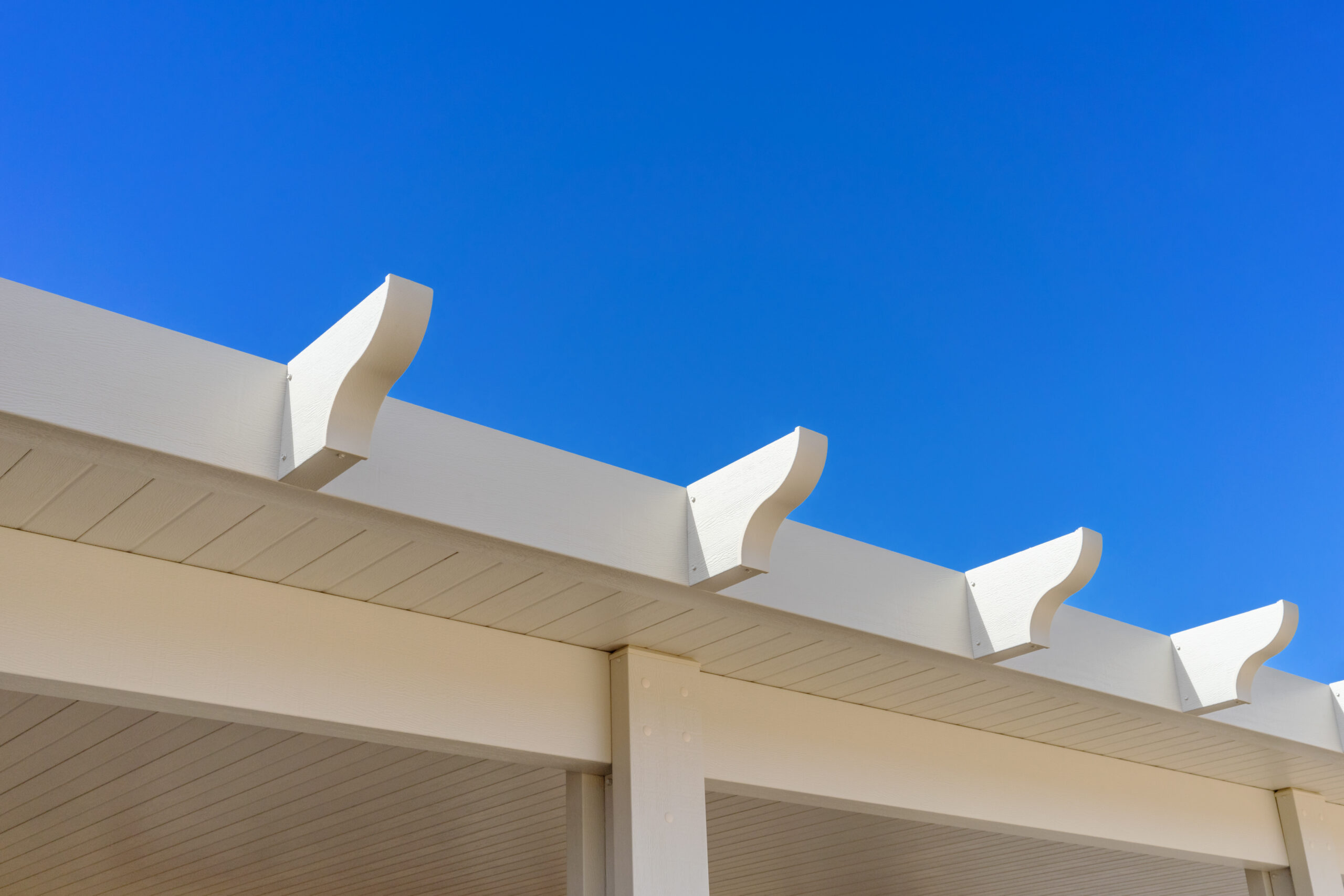
Direct sun is the number one driver of patio furniture sun damage. The most effective long term fix is to control sunlight and rain exposure. That is where a permanent cover shines. Patio Cover Designs by S builds custom aluminum patio covers that look clean, block UV, and cut heat while keeping upkeep low. Choose from Solid or Flat Pan covers for full shade and rain protection, Insulated roof panels that reduce heat even more and can include integrated electrical for fans and lighting, Open Lattice designs that deliver 40 to 90 percent shade with airflow, or Combination systems that mix solid and lattice so you can dial in sun and shade for different zones. Their aluminum systems do not need painting and will not crack, warp, or split. They back materials with a transferable Full Lifetime Warranty. The structures are engineered to meet or exceed most building codes, which matters in windy or snowy areas. If you live in Wisconsin, a solid or insulated cover shields furniture from snow load and freeze cycles. In New Mexico, lattice or insulated panels reduce harsh UV and heat so fabrics and finishes last longer. Patio Cover Designs by S offers free design consultations to help you match coverage to your space and furniture.
Maintenance routines by season
A simple schedule keeps damage at bay. In early spring, wash frames with mild soap and water. Rinse well to remove winter salts. Inspect fasteners and tighten as needed. Reseal wood if the bead test fails. For metal, touch up chips with matching paint to block moisture. Apply a UV protectant spray on plastics and resin wicker. In midsummer, rinse dust off weekly. Clean cushions regularly and stand them on edge to dry after rain. Use breathable covers when you are away for more than a day. In fall, deep clean and dry everything before storage. Stack cushions indoors if possible. In winter, avoid trapping moisture. If furniture must stay outside, raise legs on plastic shims so meltwater drains and use breathable covers that allow airflow.
Smart storage and covers
Storage is your second line of defense. A dry garage, shed, or under-deck space works well. If storage is tight, use covers. Choose breathable, water resistant covers with vents and tie straps. Avoid fully waterproof tarps that trap humidity. Do not wrap covers tight to the ground. Leave a few inches of space so air can move. For glass, use a soft cloth between the cover and glass to reduce scratching from grit.
Anchoring and layout tips
Place furniture where it gets partial shade during peak sun if a permanent cover is not installed. Use umbrellas with UV rated canopies, and remember to close them during wind. Add furniture pads or feet glides to keep metal off wet concrete. Use straps on lightweight pieces in windy seasons. Keep grills and fire features far enough away that heat does not dry out nearby fabrics or wood.
When to repair and when to replace
Not every issue means you need new furniture. Use these guidelines to decide what to do next.
- Fading only: Clean and protect. Replace cushion covers if fabric is thin but frames are solid.
- Minor rust or chips on steel: Sand, prime with rust converter, and repaint. Address early to prevent deeper corrosion.
- Aluminum oxidation: Clean and apply a protective wax or coating. Touch up paint where needed.
- Wood with surface wear: Sand lightly and reseal. Replace cracked slats. If boards are warped or joinery is loose across the frame, consider professional repair.
- Resin wicker with a few broken strands: Patch kits can hide small breaks. If large areas are brittle, replacement is best.
- Slings that sag: Replace slings and hardware. Many chairs can be re-slung at a lower cost than buying new.
- Cushions with moldy foam: Replace the foam cores and switch to solution dyed acrylic covers for better UV resistance.
- Severe rust, cracked welds, or structural wobble: Replace. Safety comes first.
How a permanent cover extends furniture life
A well designed cover cuts UV exposure, keeps rain off, and reduces temperature swings. That alone can double or triple the useful life of fabrics, coatings, and wood finishes. Patio Cover Designs by S builds long lasting aluminum covers that require little care. They also design and install sunrooms, 3 and 4 season rooms, carports, and custom projects like privacy panels, awnings, cantilever covers, and even small covers for BBQs or pool equipment. If decking is part of your plan, they offer wood or composite decks, custom railings, and aluminum framing for a low maintenance build that pairs well with a cover. Founded in 2016 by Crystal and Jason, Patio Cover Designs by S brings more than 20 years of hands-on experience in manufacturing and project management. They serve homeowners in Wisconsin and New Mexico with friendly, family style service and straightforward weekday estimates.
FAQs about patio furniture sun damage
Does sun ruin aluminum furniture?
Aluminum does not rust, but sun can break down paint and powder coat. You will see chalky residue and fading. Clean it, apply protectant, and consider adding shade. A permanent aluminum cover from Patio Cover Designs by S shields frames from direct UV and rain for longer life.
What fabric lasts longest in the sun?
Solution dyed acrylic resists fading better than polyester or cotton. It is also more mildew resistant. If you are replacing cushions, choose acrylic and look for UV ratings. Pair with shade to slow wear even more.
How often should I reseal outdoor wood?
Test every spring. If water does not bead, reseal. In sunny, dry climates, once a year is common. In milder or shaded spots, every 18 to 24 months can work. Keep wood elevated off soaked ground and clear snow quickly.
Are furniture covers good or bad?
Covers are helpful if they are breathable and fit well. They protect from UV and rain. Avoid plastic tarps that trap moisture and cause mildew or corrosion. Use covers along with shade for best results.
Can I leave furniture out all winter?
It depends on material and climate. In snowy or icy regions, store cushions indoors and cover frames. Use a solid or insulated patio cover to shed snow and limit freeze cycles. In milder winters, breathable covers and raised feet can be enough.
What colors fade the least?
Darker colors absorb more heat and can fade faster. Mid tones and light neutrals show less fading. Solution dyed fabrics hold color better regardless of shade.
Real world examples by climate
In Wisconsin, winter brings snow, ice, and freeze thaw cycles. Metal rust and wood splitting are common. A solid or insulated cover from Patio Cover Designs by S helps by diverting snow and blocking water from seams. In New Mexico, the challenge is high UV and heat with low humidity. Fabrics fade and plastics chalk quickly. An open lattice cover delivers 40 to 90 percent shade with airflow that keeps spaces cooler while still letting in light. Insulated panels take the edge off extreme heat and protect frames and fabrics through the long sunny season.
Step by step plan to protect your patio set
- Inspect with the checklist above and note problem areas.
- Clean everything with mild soap and water. Rinse well.
- Test wood with water beads and reseal if needed.
- Touch up metal chips and treat early rust.
- Apply UV protectant to plastics and resin wicker.
- Launder cushion covers, dry foam completely, and replace worn cores.
- Add shade with a permanent cover or umbrellas. Consider a custom aluminum cover from Patio Cover Designs by S for strong, low care protection.
- Use breathable covers during long absences. Store cushions indoors when heavy rain is expected.
- Set reminders to do quick monthly rinses in dusty or coastal areas.
- Recheck fasteners and stability each season and address looseness early.
Get help protecting your outdoor investment
If you are seeing patio furniture sun damage, the fastest way to slow it is to block UV and keep water off. Patio Cover Designs by S specializes in custom aluminum patio covers that protect furniture, make outdoor spaces more comfortable, and look great with your home. Choose from Solid or Flat Pan, Insulated with optional integrated electrical for fans and lighting, Open Lattice with adjustable shade, or Combination layouts that fit your exact needs. The team also builds sunrooms, carports, privacy panels, awnings, and low maintenance decks with wood, composite, and even aluminum framing. Materials are premium aluminum with a transferable Full Lifetime Warranty, and projects are engineered to meet or exceed most building codes. As a family owned company founded by Crystal and Jason, Patio Cover Designs by S offers free design consultations and straightforward estimates during weekday hours in Wisconsin and New Mexico. If you want your patio set to last longer and look better, reach out today to explore a tailored cover that cuts UV, sheds rain, and keeps your outdoor space inviting all year.